Ciao !
We were at our booth at the Lexington Farmers Market, a customer had accidentally knocked over a bottle of our Balsamico which spread and puddled all across the tablecloth. The customer was fear-stricken but, not to miss a beat – or a chance to taste our products! – we yelled" Everybody grab some bread and go in!". It was a very fun and delicious frenzy, not to mention profitable. People left the booth looking like they had just had the best chocolate some of which was still on their lips and faces.
During those days at the market, we ran out of product often and Balsamico especially. I started ringing a loud hand bell (which I still have today.) to notify customers at the market that we only had 1 or 2 bottles left. It rang across the market like a CHURCH bell and you would see people nearly running to our booth, if nothing else just to see what was going on! One Saturday morning when I rang the bell and the subsequent crowd grew even larger, one customer pushed (literally...) her way to the front of the line and said, "I don't even know what you sell here but I have to have that last bottle!"
Punto fatto. Point made.
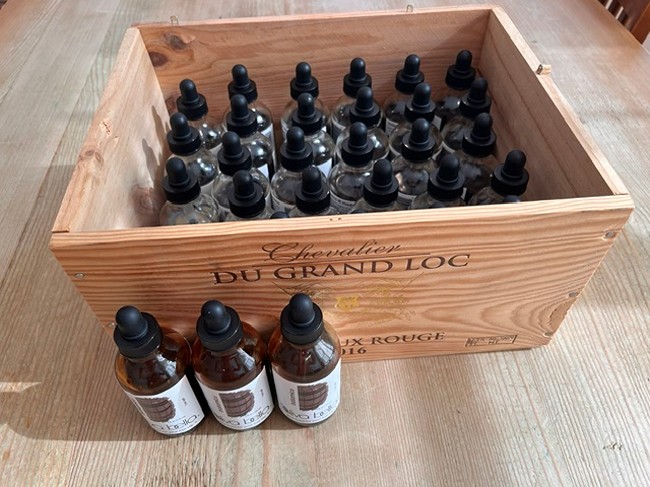
Our Balsamico has arrived from Italy in the last week, which is perfect timing for the peak summer produce. It's been too hot to ship most of July, fortunately we received a break in weather last week.
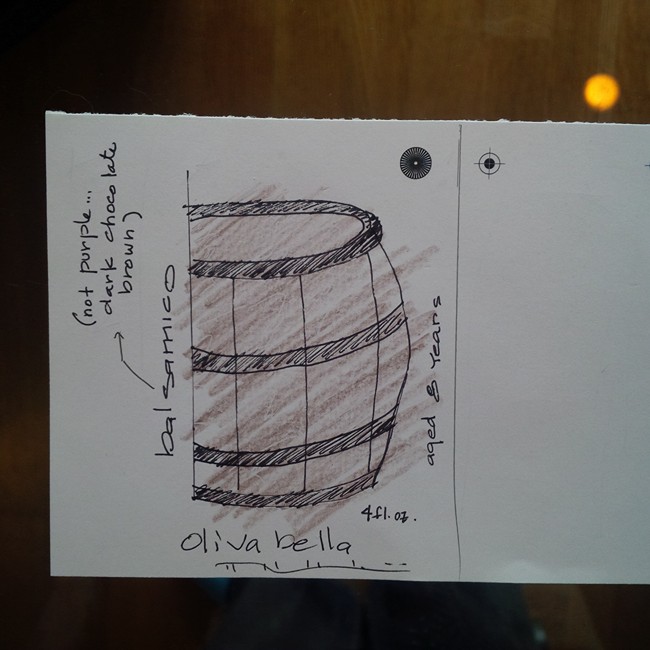
We've been sourcing our 8 year aged Balsamico from the same iconic family producer for 20 years. I've been to their estate, located just outside Modena, Italy a few times including some lovely outdoor parties attended mostly by food business people from all over the country.
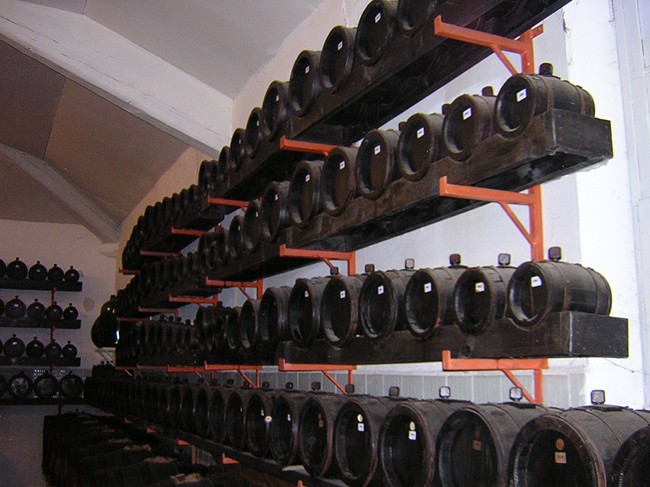
A short bio and reminder about Balsamico or balsamic vinegar. The true Balsamic vinegar is made within a certain radius of the city of Modena and is strictly regulated, much like extra virgin olive oil. It is made mostly from the Trebbiani grape, a small percentage of other grapes is allowed, for example, ours has 20% Lambrusco grapes as well. The Trebbiani grapes, which are white, are cooked down until caramelized and then aged over the next number of years in barrels of various woods and decreasing size. Each year the Balsamico is moved to a smaller barrel as it naturally evaporates and decreases in volume and increases in intensity. The woods typically used are oak, chestnut, cherry, ash, acacia and juniper and each producer chooses the combination based upon the flavor profile they are seeking. The result is a sweet and sour, very viscous yet extremely satisfying flavor and mouth feel.
As with our other products, it elevates everything it touches.
(Note: 95% of the balsamic vinegar sold in the U.S. is made from red wine vinegar and food coloring, no crime or criticism against that but just know what you are purchasing.)
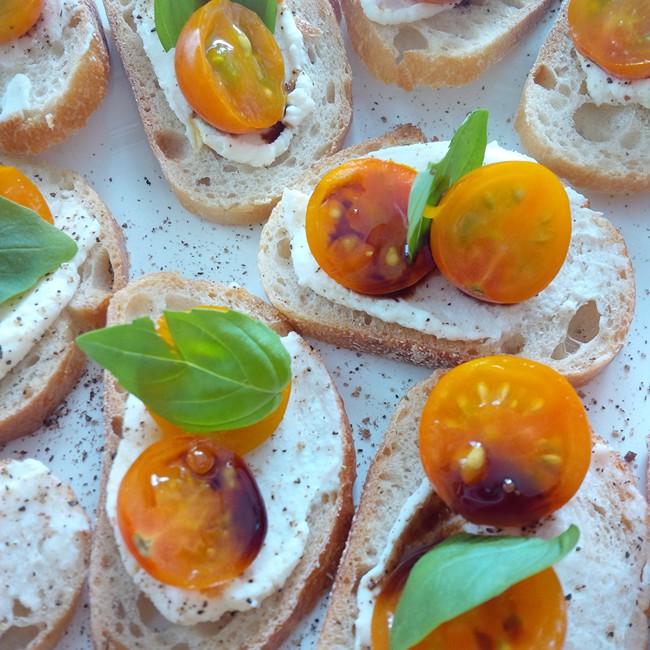
I do not use Balsamico nearly as often as I use our olive oil but every single time I taste it I shake my head in disbelief at how good it is. My preferred method is just a small spoonful "straight up" or I typically use it as a condiment to complement a food as opposed to being a component in a dish.
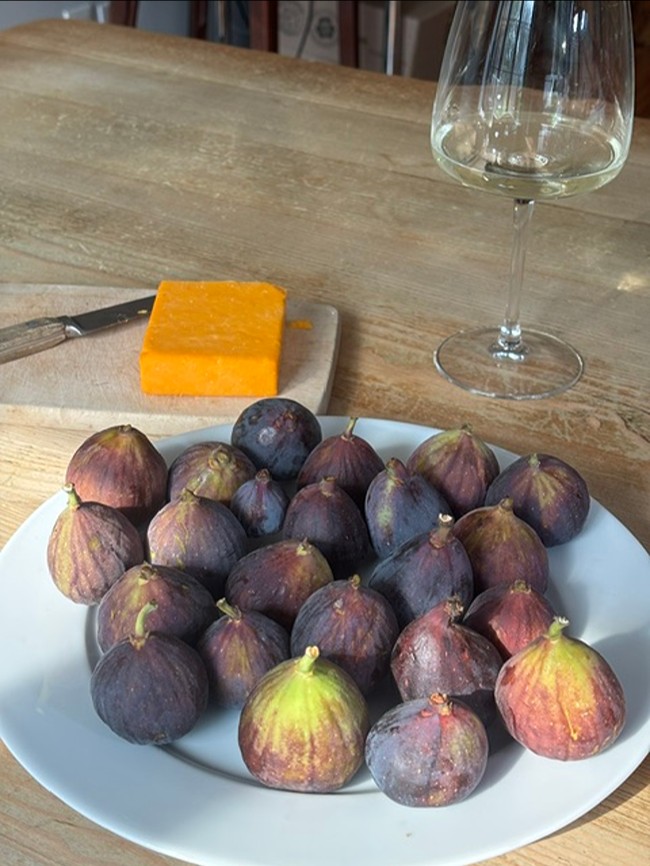
I've been eating my body weight in fresh figs this summer and when I want to "get fancy" I either dribble Balsamico over the cut fig or schmear the cut fig with ricotta cheese or lebneh (which is basically strained Greek or Mideastern yogurt that you can easily make the best yourself.), dribble Balsamico and enjoy the fig(s) with a hand full of almonds. You can also wrap that fig and cheese and nut in a slice of prosciutto, put it into a 400 degree oven for 10 minutes and serve it as an appetizer, dribble more Balsamico on the outside when it's finished. It is sheer pleasure and actually quite healthy.
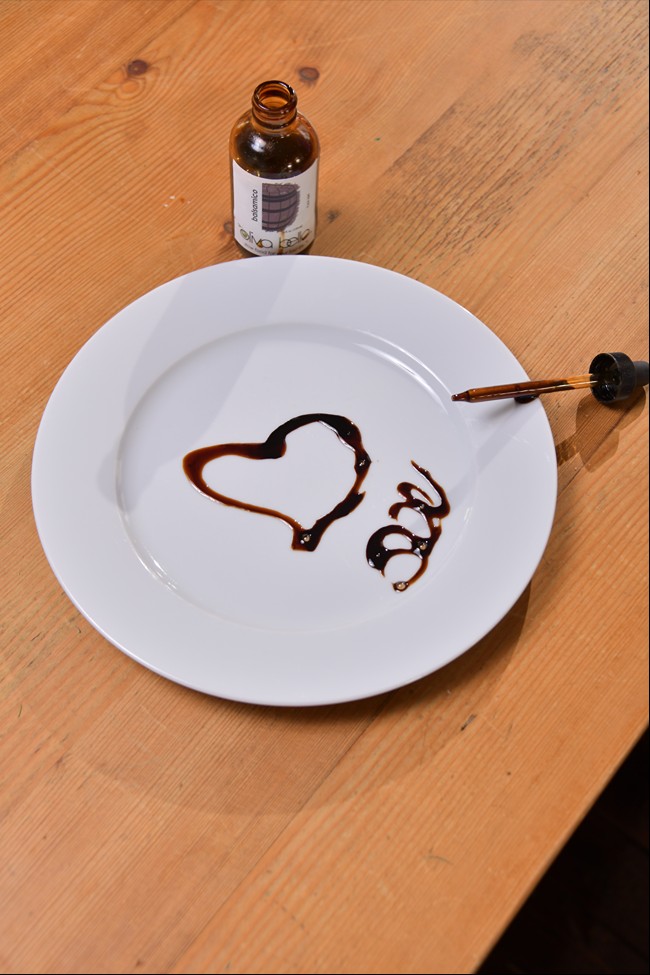
THIS...is OUR Balsamico. |